Arthead Typeface: Elevating Handmade Brand Identity
I was staring at a blank canvas on my screen, trying to finalize the design for a set of soy candle labels. The wax smelled like lavender and vanilla, but the typography felt flat. I had tried a few handwritten scripts, but they looked too casual for the boutique vibe I was going for. Then I opened Arthead. It wasn’t just another sans serif font; it was elegant yet assertive, with a geometric precision that immediately grounded the entire composition. Within minutes, my label went from "cute" to "professional." That moment reminded me why choosing the right typeface is one of the most critical steps in product design.
For handmade sellers, printable creators, and crafters, typography is more than just text—it is the voice of your brand. Arthead fits into this space perfectly. As a modern sans serif font, it brings a clean, contemporary feel that works beautifully across a wide variety of products. Whether you are designing digital downloads, physical merchandise, or packaging, this font offers the versatility needed to elevate your creative ideas.
The Visual Personality of Arthead
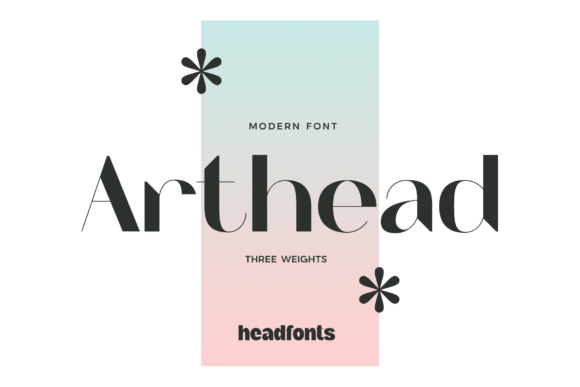
What makes Arthead stand out among other premium fonts is its balance. It is not overly decorative, nor is it starkly utilitarian. Instead, it strikes a chord between approachable and sophisticated. The letterforms have a subtle warmth to them, which helps when you want your brand to feel friendly but still trustworthy. This visual personality makes it an excellent choice for editorial design, packaging design, and social media graphics where clarity and style must coexist.
When you look closely at the details, you notice the care taken in the design. The spacing (kerning) is tight enough to feel cohesive but open enough to remain readable. This attention to detail translates directly to your products. A customer scrolling through Etsy might stop for a second because the listing image looks polished. That polish often comes down to consistent, high-quality typography. Arthead provides that consistency, helping to build a strong brand identity without shouting for attention.
Real-World Applications for Makers
I have found that Arthead is incredibly adaptable. Here is how I use it across different types of handmade goods and digital assets:
- Candle and Soap Labels: For minimalist aesthetic brands, Arthead works wonders as a primary header. Its clean lines complement simple color palettes and natural materials like kraft paper or matte finishes.
- Greeting Cards and Invitations: While script fonts are traditional for weddings, Arthead offers a modern alternative for contemporary stationery. It works beautifully for names, dates, and venue details on wedding welcome boards or birthday invitations.
- Stickers and Sticker Sheets: When cutting vinyl for Cricut or Silhouette users, clear legibility is key. Arthead’s distinct character shapes ensure that text remains readable even when scaled down to small sticker sizes.
- Tote Bags and Apparel: For bold statements on shirts or tote bags, the assertive nature of Arthead holds up well against larger graphic elements. It doesn’t get lost in the design.
- Printable Wall Art: In the world of digital downloads, typography-only art is huge. Arthead allows you to create impactful quotes or affirmations that look good framed in a modern living room.
Readability and Production Considerations
One of the biggest challenges for product makers is ensuring that text remains readable across different mediums. A font might look great on a high-resolution monitor but turn into a blurry mess when printed on a small mug or cut from thin vinyl.
Arthead handles this transition smoothly. Because it is a sans serif font, it lacks the delicate flourishes of some script fonts that can break during the cutting process. However, it also avoids the harshness of purely industrial fonts. When designing product labels, I always test print a small batch to check contrast. Arthead’s weight variations allow you to choose a lighter style for background text or a bolder weight for headlines, giving you flexibility in hierarchy.
For digital products, such as planner pages or template previews, readability on screens is paramount. Arthead’s clean geometry renders sharply on both mobile and desktop devices, ensuring that your customers have a pleasant user experience before they even download the file.
Strategic Font Pairing
While Arthead is versatile enough to stand alone, pairing it with complementary typefaces can add depth to your designs. Since Arthead is a modern sans serif, it pairs naturally with:
- Simple Serif Fonts: A classic serif font can add a touch of tradition or elegance when paired with Arthead’s modernity. This combination works well for luxury branding or formal invitations.
- Script or Handwritten Fonts: To soften the assertiveness of Arthead, pair it with a flowing script. Use Arthead for the structured elements (like addresses or ingredients) and the script for personal touches (like "With Love" or decorative headers).
- Bold Display Fonts: For seasonal crafts or holiday tags, you might use a playful display font for the main theme and Arthead for the supporting information. This creates a balanced visual hierarchy.
The key is restraint. Let Arthead do the heavy lifting for readability while the partner font adds character. This approach ensures that your brand identity remains consistent without becoming visually cluttered.
Technical Details and Licensing
Before incorporating any font into your commercial products, it is essential to review the technical specifications. Arthead typically comes in multiple weights and styles, allowing you to maintain visual harmony across a full suite of products. Check if the font includes special characters, ligatures, or alternates that can add unique flair to your designs.
Multilingual support is another crucial factor, especially if you plan to sell internationally or include phrases in multiple languages. Ensure the font supports the specific accents and symbols you need.
Most importantly, always verify the licensing terms. If you are selling physical products like mugs, shirts, or packaged goods, you may need a commercial license that covers merchandise. For digital downloads, such as SVG files or printable PDFs, the licensing requirements might differ. Understanding these distinctions protects your business and respects the work of the type designer. Many premium fonts offer flexible licensing options that cover web design, social media graphics, and physical production, making them a worthwhile investment for serious creators.
Building Emotional Connection Through Typography
Typography influences emotion. A jagged, aggressive font might convey energy and rebellion, while a soft, rounded font feels welcoming and gentle. Arthead sits in a neutral-positive zone. It feels reliable, organized, and refined. This emotional resonance is valuable for customers who want their purchases to reflect a sense of order and quality.
When you use Arthead on your boutique tags or packaging inserts, you are subtly communicating that you care about the details. This perceived quality can lead to higher customer retention and positive reviews. In a crowded marketplace, these small touches of professionalism make a significant difference.
Finalizing Your Design Workflow
Incorporating Arthead into your workflow doesn’t require a complete overhaul. Start by identifying one or two core products—perhaps your best-selling candles or a popular printable planner—and redesign the typography using Arthead. Compare the before and after. Notice how the text interacts with images and colors. Does it feel more integrated? Does it draw the eye to the right places?
Experiment with alignment. Centered text often feels formal and balanced, while left-aligned text feels more modern and casual. Arthead adapts well to both, but the mood shifts depending on your layout choices. Don’t be afraid to play with size and spacing. Sometimes, increasing the tracking (letter spacing) slightly can give a luxury feel to short phrases or brand names.
As you continue to create, keep a library of Arthead-based designs. Over time, you will develop a signature style that is instantly recognizable to your audience. Consistency builds trust, and trust turns casual browsers into loyal customers. By choosing a font that is both elegant and assertive, you are setting a high standard for your creative output. Arthead is not just a tool for typing; it is a foundational element of your brand’s visual story.